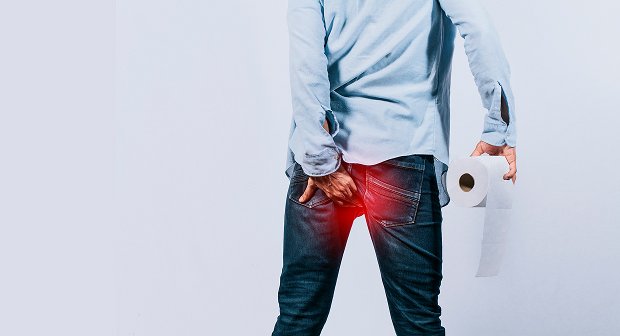
An anal fissure is a small tear or crack in the lining of the anal canal, usually caused by passing hard stool or excessive straining during bowel movements. It can lead to severe pain and bleeding during or after passing stool.

At Savani Surgical Hospital, we provide comprehensive Anal Fissure Treatment in Surat with both non-surgical and advanced surgical options depending on the severity of the condition.

Early treatment helps relieve pain, promotes healing, and prevents the fissure from becoming chronic.

Symptoms of Anal Fissure

Severe Pain During Bowel Movement

Sharp pain while passing stool that may last for hours.

Rectal Bleeding

Small amount of bright red blood on stool or toilet paper.

Burning & Itching

Irritation or burning sensation around the anal area.

Visible Tear

A small crack or cut near the anal opening.

Causes of Anal Fissure

  • Chronic constipation
  • Passing hard stool
  • Persistent diarrhea
  • Excessive straining during bowel movement
  • Tight anal sphincter muscles
  • Conditions like Crohn’s disease or ulcerative colitis

Types of Anal Fissure

  • Acute Fissure: Recent tear that usually heals within 2–3 weeks.
  • Chronic Fissure: Long-standing fissure that may require advanced treatment.

Treatment Options for Anal Fissure

Non-Surgical Treatment

High-fiber diet, adequate hydration, medications, and sitz baths to promote healing.

Botulinum Injection

Injection into anal sphincter muscle to reduce spasm and allow healing.

Surgical Treatment

Procedures like lateral internal sphincterotomy for chronic fissures.

Anal Fissure FAQs

Yes, many acute fissures heal with medications, diet changes, and sitz baths.

Surgery is recommended for chronic fissures that do not respond to medical treatment.