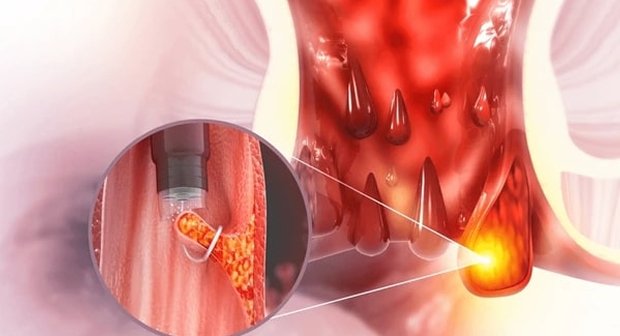
Piles (Hemorrhoids) are swollen veins in the lower rectum or anus that may cause pain, bleeding, itching, swelling, and discomfort during bowel movements. This condition is commonly associated with chronic constipation, prolonged sitting, pregnancy, obesity, or excessive straining during stool.

At Savani Surgical Hospital, we provide advanced Laser Piles Treatment in Surat using modern minimally invasive technology. Laser surgery precisely targets the affected tissue, reducing blood supply to hemorrhoids and allowing them to shrink naturally.

Compared to traditional surgery, laser treatment offers less pain, minimal bleeding, faster recovery, and shorter hospital stay. Most patients return to their normal activities within a few days.

Symptoms of Piles

Rectal Bleeding

Bright red bleeding during or after bowel movements.

Anal Pain

Pain or discomfort while sitting or passing stool.

Swelling & Itching

Itching, irritation, or lump formation around the anus.

Difficulty in Bowel Movement

Straining, incomplete evacuation, or discomfort during stool.

Types of Piles

  • Grade 1: Small internal swelling without prolapse.
  • Grade 2: Prolapse during stool but return automatically.
  • Grade 3: Prolapse that requires manual repositioning.
  • Grade 4: Permanently prolapsed and may cause severe pain.
  • External Piles: Develop under the skin around the anus and can be painful.

Why Choose Laser Piles Surgery?

Minimal Pain

Reduced tissue damage leads to minimal post-operative discomfort.

Quick Recovery

Most patients resume daily activities within 2–3 days.

Short Hospital Stay

Usually discharged within 24 hours.

Low Recurrence

Advanced laser technology reduces chances of recurrence.

Same Day Discharge

In most cases, patients can return home the same day.

Expert Surgical Care

Procedure performed by experienced surgeon using modern equipment.

Piles Treatment FAQs

Laser piles surgery is minimally invasive and generally less painful than traditional hemorrhoid surgery.

Most patients recover within 2–3 days, depending on the severity of the condition.

If you notice bleeding, persistent pain, swelling, or difficulty during bowel movements, you should consult a specialist immediately.